Some links on this page are affiliate links. If you click through and make a purchase, we may earn a small commission at no extra cost to you. This helps us maintain and improve this independent guide. Learn more.
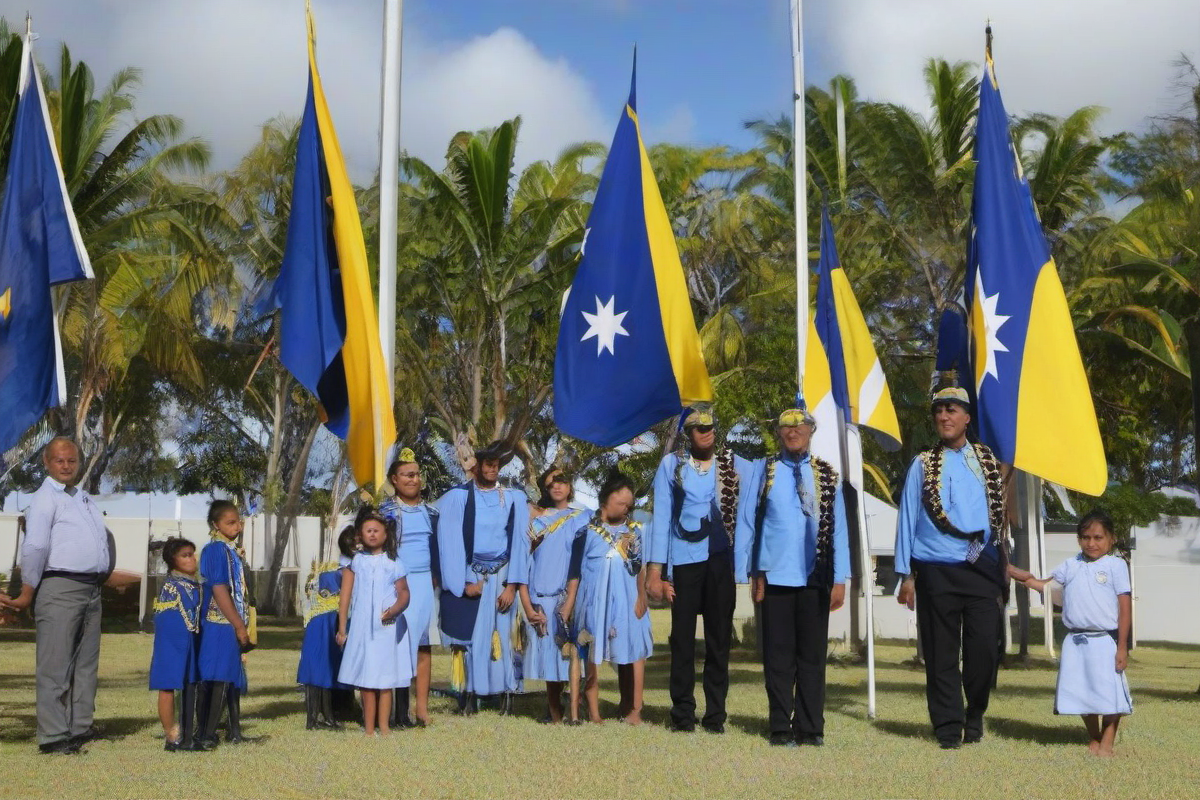
Nauru's national calendar reflects its unique journey — from ancient Micronesian heritage through colonial occupation to independent republic in 1968. Each celebration tells a story of survival, resilience, cultural pride, and the unbreakable spirit of the Nauruan people. Despite the island's tiny size, the calendar is full of meaningful observances that bring communities together across all eight districts.
Independence Day — January 31
Independence Day is Nauru's most important national holiday, marking the establishment of the Republic of Nauru on January 31, 1968, when Nauru became the world's smallest independent republic. The day begins with a solemn flag-raising ceremony at dawn in Yaren, followed by a formal government reception at the Parliament House.
The celebrations include a nationally broadcast address by the President on Radio Nauru, reflecting on the nation's achievements and challenges. Traditional dance performances by teams from each of Nauru's eight districts showcase elaborate costumes and the signature ekorere seated dance. Community sports events — including weightlifting competitions (Nauru's national sporting pride), Australian rules football matches, and athletics — draw enthusiastic crowds. Children parade through the streets wearing blue and yellow, the national colours, and carrying the 12-pointed star flag. The day concludes with a fireworks display in the evening. Government offices, schools, and most businesses close for the day, and families gather for communal feasts featuring traditional dishes like coconut fish and roasted breadfruit.
Constitution Day — May 17
Constitution Day on May 17 celebrates the adoption of Nauru's constitution alongside independence in 1968, which established the parliamentary system of government with a president elected by parliament. Unlike Independence Day's formal proceedings, Constitution Day has evolved into a vibrant week-long community festival.
Festivities include the Miss Nauru pageant, a major cultural event that draws participants from all districts. Traditional craft exhibitions and competitions showcase the finest Nauruan weaving — baskets, mats, and fans made from pandanus leaves using techniques passed down through generations. Live music concerts feature local musicians blending traditional percussion with Pacific reggae and gospel, alongside visiting artists from other Pacific island nations. Community feasts serve an abundance of traditional Nauruan cuisine including grilled reef fish, coconut curries, breadfruit chips, and pandanus desserts. Church services and interfaith gatherings reflect the central role of Christianity in Nauruan life. Schools hold cultural programs with art competitions, essay contests, and performances, ensuring younger generations connect with their heritage.
Angam Day — October 26
Angam Day is arguably Nauru's most emotionally significant celebration. The word 'Angam' means 'to celebrate' or 'to reach home' in the Nauruan language (Dorerin Naoero) and refers to the survival of the Nauruan people as a distinct community against devastating odds. The day commemorates two critical milestones: in 1932, when the Nauruan population recovered to 1,500 — the minimum number considered necessary for survival — after the Spanish flu epidemic of 1920 killed approximately 200 people, and again in 1949, when the population crossed that same threshold following the traumatic World War II forced relocation to Chuuk (then Truk), where 500 of the 1,200 deportees perished from starvation and disease.
Angam Day celebrations are deeply moving and community-wide. Naming ceremonies welcome 'Angam babies' — children born in the past year who symbolise the continued survival of the Nauruan people. Traditional dance competitions between the eight districts feature the ekorere and other dance forms, with elaborate costumes woven from pandanus and coconut fibres. Choral singing competitions are a highlight: church choirs from across the island compete for the President's trophy, filling the air with powerful four-part harmonies. Sporting events include volleyball, athletics, and weightlifting exhibitions. Elders lead storytelling sessions where they recount Nauruan history and the survival narrative, ensuring that younger generations understand the profound significance of the day.
National Youth Day — Varies (September/October)
Celebrated in September or October, National Youth Day focuses on Nauru's young people — who make up a significant portion of the population — and their critical role in shaping the nation's future. Events include youth leadership workshops, career fairs connecting students with government and private sector opportunities, talent shows, and community service projects across the districts. Schools compete in academic and sporting challenges, and awards recognise outstanding young leaders. The day highlights the challenges facing Nauruan youth, including health education and employment opportunities, while celebrating their achievements and potential.
Other Public Holidays & Observances
Nauru observes several other public holidays throughout the year. New Year's Day (January 1) marks the start of the calendar with family gatherings and church services. Easter Weekend — Good Friday and Easter Monday — is a significant Christian observance featuring special church services with Nauruan-language hymns and harmonies. Gospel Day (date variable) commemorates the arrival of Christianity to the island and the transformation of Nauruan spiritual life. The National Christmas Festival (December 25–26) is celebrated with unique Nauruan Christmas carols that blend traditional island melodies with Christian themes, and extended family feasts. The National Day of Prayer (date variable) is a government-declared day for national reflection, unity, and spiritual renewal.
Additionally, each of Nauru's eight districts — Aiwo, Anabar, Anetan, Anibare, Baitsi, Boe, Buada, and Yaren — holds annual district days celebrating local identity, history, and community bonds. These district celebrations feature feasting, dancing, sports tournaments, and the reinforcement of the tight-knit community relationships that define life on the island.
Next steps
🎭 Culture & Heritage
Festivals, dance and traditions behind the holidays.
📜 History
Key dates leading to independence and beyond.
Plan a visit
Turn context into a practical trip plan.
Open the directory
Find the key contacts and services.
Read updates
See current news and story context.
Search the site
Jump to a specific fact or page.